
 en
en Việt Nam
 中文
中文 日本語
日本語 한국인
한국인 VIE
VIE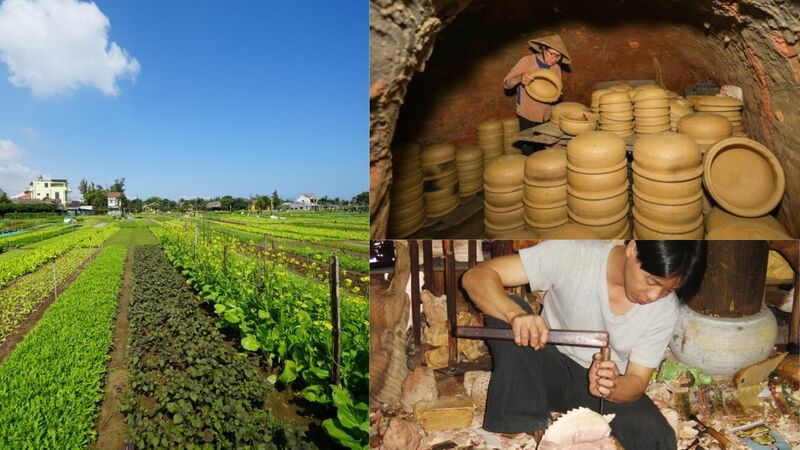
I. Hoi An Craft Villages Recognized as National Intangible Cultural Heritage
1. Kim Bong Carpentry Village – A Heritage of Masterful Craftsmanship
Kim Bong Carpentry Village is one of the oldest traditional craft villages in Hoi An, with a history spanning more than 600 years. The craft developed alongside the growth of Hoi An as a trading port, with skilled artisans contributing to the creation of many distinctive wooden architectural structures in the region.
When visiting Kim Bong, travelers can experience the rhythm of a traditional craft village through the sounds of chisels, the steady tapping on wooden surfaces, and the sight of artisans patiently working on pieces that gradually take shape. From raw blocks of wood, skilled craftsmen use their expertise and understanding of materials to create finely detailed products that reflect the cultural character of the local community.
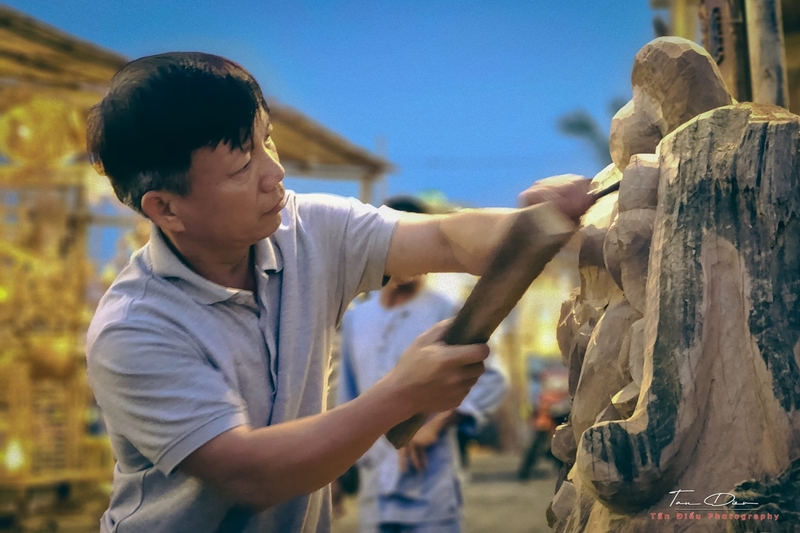
An artisan carving at Kim Bong Carpentry Village
The village also offers another perspective on Hoi An – a place where heritage is preserved not only through ancient architecture but also through the everyday work of today's artisans.
Visiting Information for Kim Bong Carpentry Village
- Opening hours: 08:00 – 17:00 daily.
- Recommended visiting time: Approximately 1 hour 15 minutes.
-
Entrance fee:
- Adults: VND 35,000/person.
- Children: Subject to regulations issued by Hoi An Ward People's Committee (Address: No. 09 Tran Hung Dao Street, Hoi An Ward).
- Children registered as residents of Hoi An Ward (former Hoi An City): Free of charge.
- Children from outside Hoi An Ward: 50% off the adult ticket price, subject to current regulations.
- From Anmira Hoi An: Approximately 6–8 km, around 15–25 minutes by motorbike, car, or taxi.
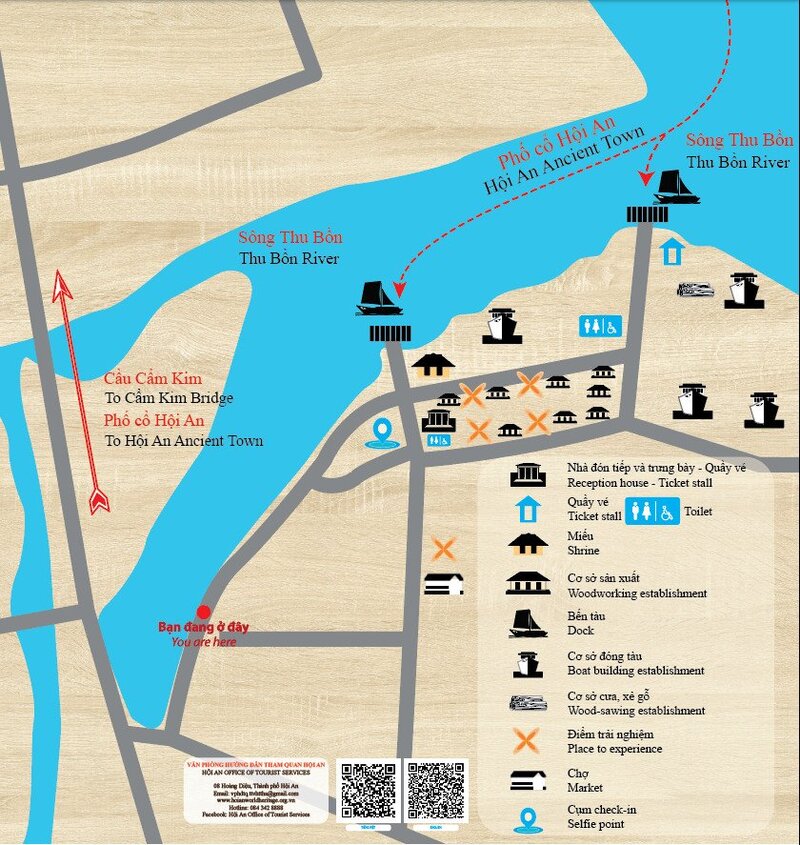
Exploring Kim Bong Carpentry Village
Highlights of the Kim Bong Carpentry Village Experience
The village tour allows visitors to explore the cultural life and traditional craftsmanship of the people of Cam Kim. During the approximately 1 hour 15-minute experience, you can:
- Learn about the history and cultural values of Kim Bong Carpentry Village.
- Visit the Traditional Craft Village Exhibition House, which preserves numerous artifacts and documents related to woodworking.
- Explore boat-building and boat-repair workshops, discovering the boat-building tradition closely associated with the river-based lifestyle of local residents.
- Visit woodworking workshops and Cam Kim Market to observe the everyday rhythm of the village.
- Enjoy traditional craft demonstrations and take part in hands-on experiences such as wood carving, mat weaving, bamboo basket weaving, and basketry under the guidance of local artisans.
- Receive a souvenir at the end of your visit.
2. Thanh Ha Pottery Village – The Soul of Clay Preserved for More Than 500 Years
Located along the Thu Bon River, Thanh Ha Pottery Village is one of the most renowned craft villages in Hoi An. With a history spanning more than 500 years, the village is closely associated with the development of Hoi An as a trading port and the traditional pottery craft passed down through generations.
The charm of Thanh Ha Pottery Village lies in its handmade pottery techniques. Using clay, artisans rely on their hands and traditional tools to create products in a wide variety of shapes. The rhythmic movements of the pottery wheel, the precision involved in every shaping process, and the firing of the finished pieces offer visitors an intimate and engaging insight into traditional craftsmanship.
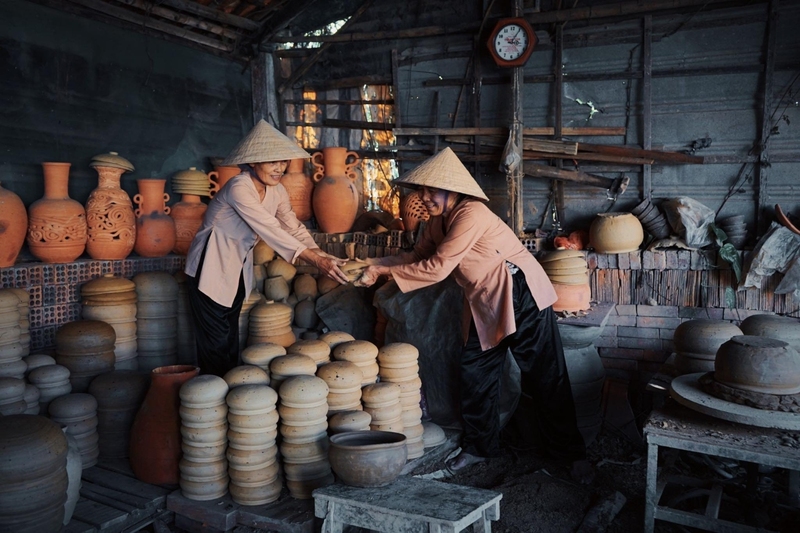
Thanh Ha Pottery Village
Visitors can watch artisans at work and try their hand at shaping pottery themselves. From a simple lump of clay, each person can create a small piece carrying their own personal touch – a simple souvenir connected to the memories of a journey through Hoi An.
Visiting Information for Thanh Ha Pottery Village
- Opening hours: 08:00 – 17:30 daily (hours may vary depending on the period).
- Address: Pham Phan Street, Nam Dieu Residential Area, Hoi An Tay Ward.
- Entrance fee: VND 35,000/person (applicable to all visitors).
- From Anmira Hoi An: Approximately 6–8 km, around 15–25 minutes by motorbike, car, or taxi.
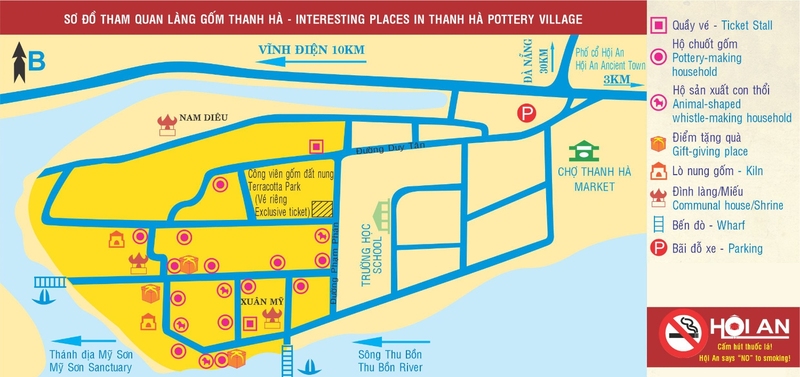
Highlights of the Thanh Ha Pottery Village Experience
With an entrance ticket, visitors can explore the full atmosphere of this more-than-500-year-old craft village through a variety of engaging activities:
- Watch artisans demonstrate traditional pottery-forming techniques, from shaping clay on the pottery wheel to completing products by hand.
- Take part in the "Try Your Hand at Traditional Pottery" experience and create your own pottery piece under the guidance of skilled artisans.
- Receive one terracotta souvenir (a clay whistle) at the end of the visit.
- Enjoy free two-way electric shuttle service from the parking area to the craft village, making the visit more convenient.
3. Tra Que Vegetable Farming – A Green Heritage in Hoi An
If Thanh Ha Pottery Village tells the story of clay and Kim Bong Carpentry Village tells the story of wood, Tra Que brings a refreshing green chapter to the cultural landscape of Hoi An.
Tra Que Vegetable Village is famous for its lush vegetable beds and distinctive aromatic herbs. The farming tradition here has been developed and maintained through generations, closely connected to the unique natural environment between the De Vong River and Tra Que Lagoon.
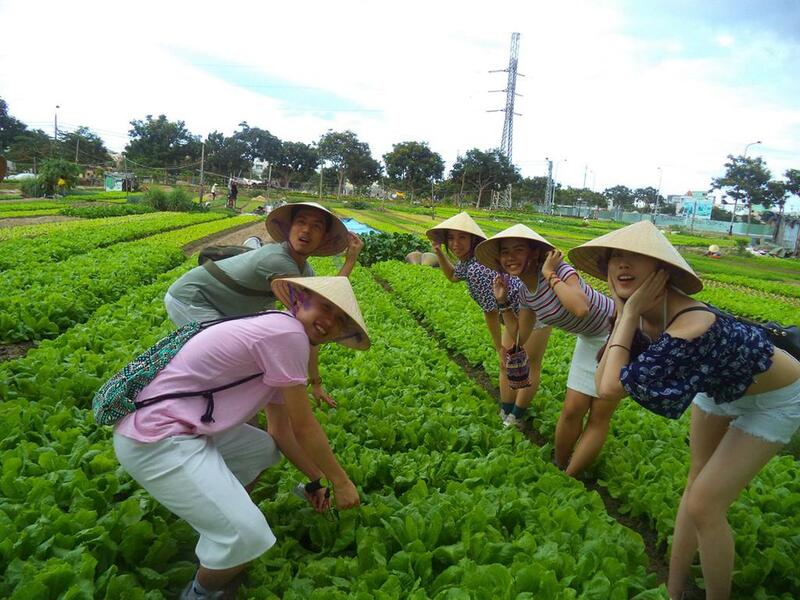
Visitors experiencing a day as farmers at Tra Que Vegetable Village
Visitors can learn about traditional farming methods and experience activities such as turning the soil, watering vegetables, and caring for crops. In addition, enjoying local dishes paired with herbs grown directly in the village is another way to experience the close relationship between farming and Hoi An's culinary culture.
Visiting Information for Tra Que Vegetable Village
- Opening hours: Open daily, approximately 08:00 – 18:00.
-
Entrance fee:
- Adults and children over 1.2m: VND 35,000/person.
- Children under 1.2m: Free of charge.
- From Anmira Hoi An: Approximately 5–7 km, around 15–20 minutes by motorbike, car, or taxi.
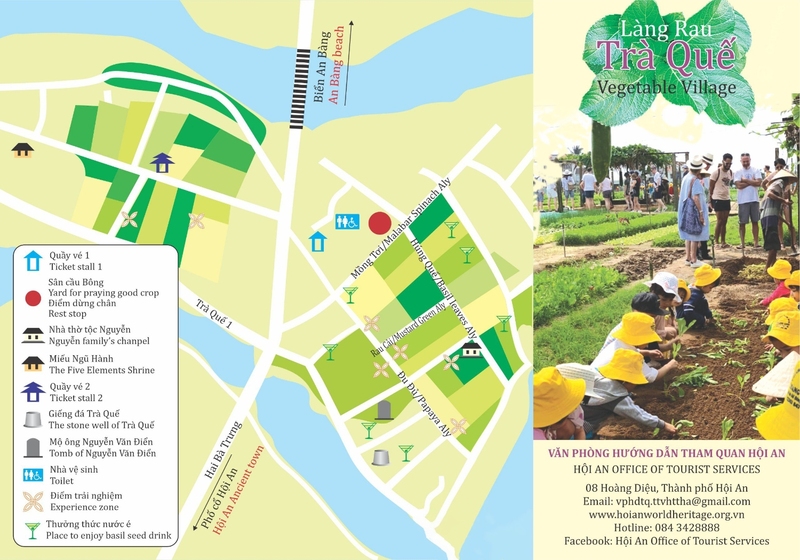
Highlights of the Tra Que Vegetable Village Experience
Tra Que Vegetable Village is a renowned eco-tourism destination known for its traditional organic farming methods, where lush vegetable gardens have been cared for and preserved by local residents for generations. Here, visitors can go beyond sightseeing and immerse themselves in the peaceful rhythm of rural life in Hoi An.
With an entrance ticket, you can:
- Walk through lush green vegetable gardens and learn about the history and traditional organic farming methods of the people of Tra Que.
- Observe and experience traditional farming activities such as preparing the soil, caring for vegetables, and watering crops with traditional bamboo watering scoops.
- Discover the completely natural cultivation process behind more than 20 famous varieties of vegetables and aromatic herbs grown in Tra Que.
- Enjoy fresh vegetable salads or local dishes prepared with freshly harvested produce, experiencing the authentic flavors of Hoi An.
- Capture memorable moments in the peaceful green surroundings, beloved by visitors for their rustic beauty and slow-paced way of life.
Tip: It is best to visit Tra Que Vegetable Village early in the morning, from 6:00 – 8:00. The weather is cooler, the sunlight is gentle, and morning dew covers the fresh green leaves, making it an ideal time for walking, photography, and experiencing farm life without the intense midday heat.
Quick Visiting Information:
|
Craft Village
|
Estimated Entrance Fee
|
Opening Hours
|
Distance from Anmira Hoi An
|
|
Kim Bong Carpentry Village
|
Adults: VND 35,000
Children: Subject to Hoi An regulations |
08:00 – 17:00
|
6–8 km
|
|
Thanh Ha Pottery Village
|
VND 35,000/person
|
08:00 – 17:30
|
6–8 km
|
|
Tra Que Vegetable Village
|
Adults & children over 1.2m: VND 35,000
Children under 1.2m: Free |
08:00 – 18:00
|
5–7 km
|
III. Craft Villages and Creative Spaces Continuing Traditional Values
Alongside the craft villages recognized as national intangible cultural heritage, Hoi An is also home to various craft spaces offering distinctive cultural experiences. Here, traditional values continue to be expressed through craftsmanship, local materials, and more contemporary approaches.
1. Cui Lu Village – Where Driftwood Is Reborn as Art
Amid the peaceful green fields of Hoi An, Cui Lu Village offers a different story from traditional craft villages. Rather than originating from a craft with centuries of history, the village was established from a desire to preserve nature and breathe new life into pieces of wood left behind after the annual floods.
The founder of Cui Lu Village – Mr. Le Ngoc Thuan – spent many years collecting tree trunks, roots, and pieces of driftwood carried downstream by the Thu Bon River or washed onto An Bang Beach after storms. Through the hands of skilled artisans, materials that might otherwise have been discarded are transformed into artworks deeply inspired by Vietnamese cultural identity.
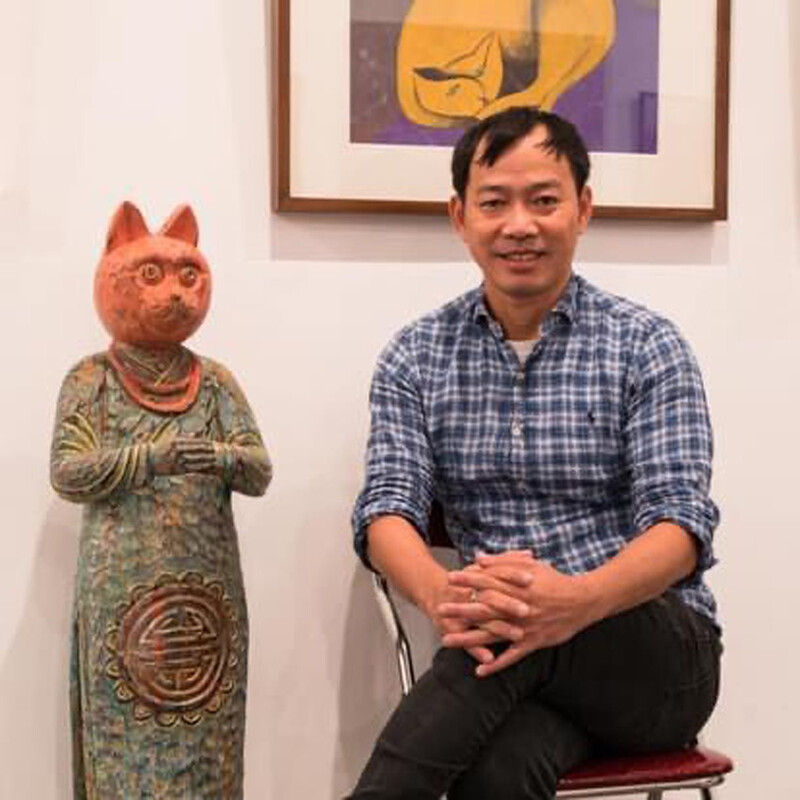
Mr. Le Ngoc Thuan – Founder of Cui Lu Village
The space at Cui Lu Village brings together wood sculpture, local culture, and a message of sustainable living. Each artwork retains much of the wood's natural grain and original form, allowing nature to continue telling its story through artistic expression. Many works draw inspiration from Vietnamese daily life, ethnic minority cultures, spiritual symbols, and traditional architecture from Quang Nam, creating an exhibition space rich in emotion and creativity.
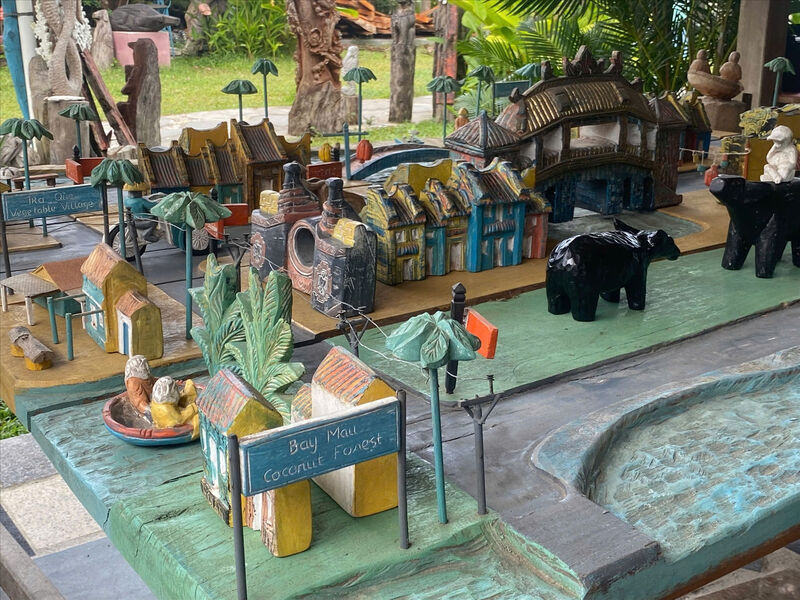
Traditional Quang Nam architectural sculpture
Beyond being a sightseeing destination, Cui Lu Village also promotes the spirit of recycling and responsible resource use. Each creation carries aesthetic value while contributing to the reduction of resource waste, supporting local artisans' livelihoods, and inspiring ideas about sustainable development.
Visiting Information for Cui Lu Village
- Opening hours: 08:00 – 17:00 daily.
- Address: Cui Lu Village is currently undergoing adjustments and reorganization of its operating space. Visitors are advised to contact the management directly for the latest location information before planning their visit.
- Recommended visiting time: Approximately 1–2 hours.
For the most up-to-date location information, you can also check the official Cui Lu Village page before departure.
Highlights of the Cui Lu Village Experience
- Explore the exhibition space featuring hundreds of sculptures created from driftwood.
- Discover the story behind the "rebirth" journey of driftwood transformed into works of art after storms and floods.
- Observe artisans at work and learn about traditional wood-carving techniques.
- Join a woodworking workshop and create your own souvenir under the guidance of an artisan (advance registration required).
- Purchase handcrafted products and decorative items made from recycled wood, supporting the livelihoods of local artisans.
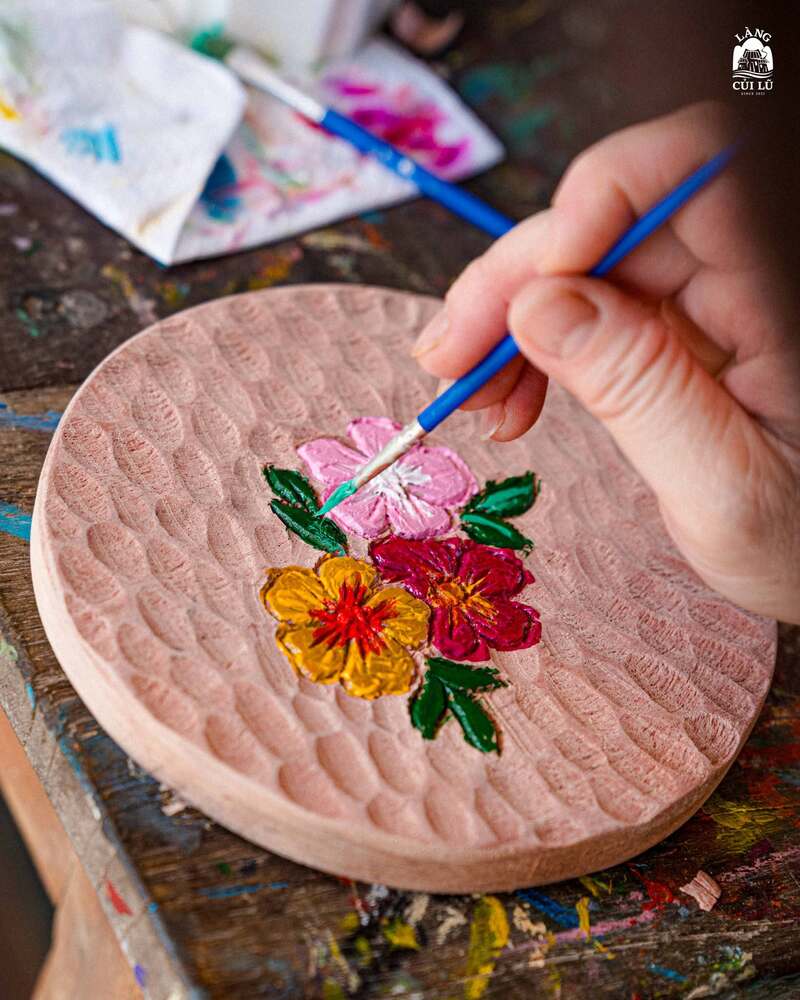
Woodworking workshop
2. Hoi An Silk Village – Preserving the Essence of Vietnam's Silk Heritage
Located near the heart of the ancient town, Hoi An Silk Village takes visitors on a journey through time to discover one of Vietnam's long-standing traditional crafts. Beyond recreating the process of silkworm farming and traditional silk weaving, the village helps preserve cultural values associated with the prosperous era of Hoi An as a trading port. From lush mulberry gardens and silkworm-rearing areas to traditional wooden looms still operating every day, each space tells a story of craftsmanship, patience, and the artisans' dedication to preserving their heritage.
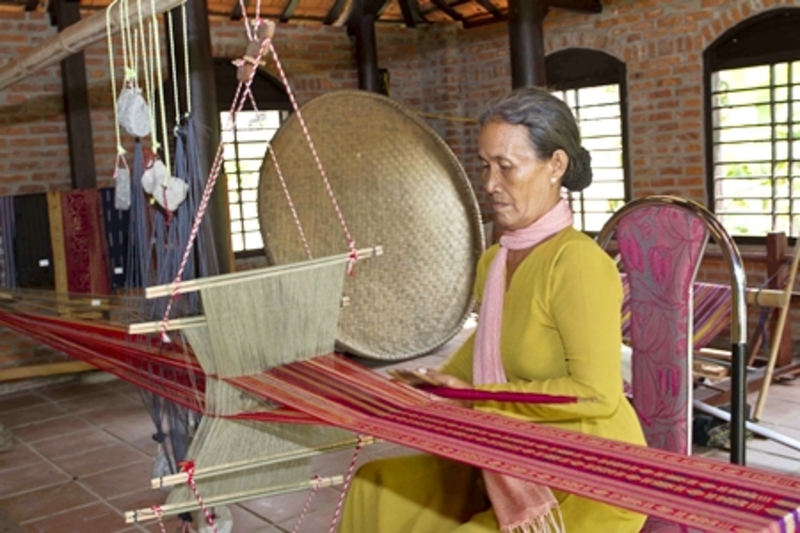
An artisan weaving fabric at Hoi An Silk Village
One of the most distinctive aspects of Hoi An Silk Village is the opportunity to follow the complete 8-step silk production process, from growing mulberry trees and raising silkworms to harvesting cocoons, reeling silk, dyeing, weaving, and finishing the final product. This provides visitors with a deeper appreciation of the value of each silk fabric – created from thousands of meters of delicate silk threads carefully spun by hand. In addition to observing the process, visitors can take part in activities such as feeding silkworms, reeling silk, and weaving under the guidance of artisans through specialized experience programs.
Beyond traditional craftsmanship, Hoi An Silk Village also features culturally significant attractions such as the Cuu Dien Shrine dedicated to the Goddess of Silkworms, an exhibition showcasing more than 100 ao dai representing Vietnam's 54 ethnic groups, a nearly 2-hectare mulberry garden, and a weaving workshop where traditional wooden looms are still operated every day. These spaces offer a deeper understanding of the role of silk in Vietnamese culture and Hoi An's development through international trade.
Visiting Information for Hoi An Silk Village
- Address: 28 Nguyen Tat Thanh Street, Hoi An Dong Ward, Quang Nam.
- Opening hours: 08:00 – 21:00 daily, including holidays and Tet.
- From Anmira Hoi An: Approximately 4.2 km, around 15–20 minutes by car, motorbike, or taxi.
- Ticket Prices and Services
| Service |
Estimated Price
|
|
Entrance ticket
|
VND 50,000/person |
|
Short tour (45 minutes)
|
VND 100,000/person
|
|
In-depth experience tour (4 hours)
|
VND 595,000/person
|
|
Ao dai rental for photography
|
VND 100,000 – 200,000
|
Children's policy:
- Under 1 m: Free.
- From 1 m – 1.3 m: 30% discount.
- Over 1.3 m: Adult price applies.
Highlights of the Hoi An Silk Village Experience
At Hoi An Silk Village, visitors can:
- Discover the complete silk production process, from mulberry cultivation and silkworm raising to traditional silk weaving.
- Visit the Cuu Dien Shrine dedicated to the Goddess of Silkworms and learn about the history of Vietnam's silk industry.
- Explore the mulberry garden and silkworm-rearing area, observing thousands of silkworms at different stages of development.
- Admire the Vietnamese 54 Ethnic Groups Ao Dai Exhibition, featuring more than 100 ao dai made from Hoi An silk.
- Observe artisans working in the silk weaving workshop using traditional wooden looms.
- Take part in activities such as feeding silkworms, reeling silk, and weaving, enjoy a Hoi An specialty buffet, or rent an ao dai for memorable photographs surrounded by cultural heritage.
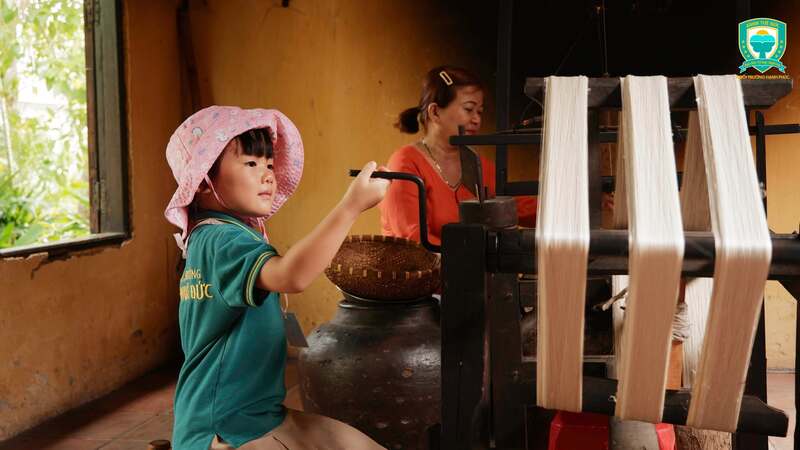
Visitors experiencing silk reeling at Hoi An Silk Village
For a more complete experience, consider visiting in the morning from 8:00 to 10:00, when the weather is cooler, the lighting is beautiful, and the silkworm-rearing area is at its liveliest. After discovering the heritage of silk craftsmanship, visitors can return to Anmira Hoi An to enjoy a peaceful green retreat and continue exploring the cultural treasures of Hoi An at a relaxed pace, surrounded by nature.
Quick Information:
|
Craft Village
|
Estimated Entrance Fee
|
From Anmira Hoi An
|
Travel Time
|
|
Hoi An Silk Village
|
Approximately VND 50,000/person
|
Approximately 3–4 km
|
10–15 minutes
|
|
Cui Lu Village
|
Depends on the type of visit
|
Please contact the village before your trip
|
Currently being updated
|
IV. Why Do Hoi An Craft Villages Remain Appealing Across Generations?
Amid modern life, Hoi An craft villages continue to captivate visitors through their enduring cultural heritage and their flexible approach to experiential tourism. Rather than simply observing or sightseeing, travelers today can engage directly with local culture through distinctive Hoi An craft village workshops.
During these workshops, you can step into the role of a "true artisan":
- Thanh Ha pottery experience: Knead clay and create unique pottery pieces under the careful guidance of skilled artisans.
- Learning woodworking in Kim Bong or farming in Tra Que: Listen to stories passed down through generations and experience the peaceful rhythm of local life.
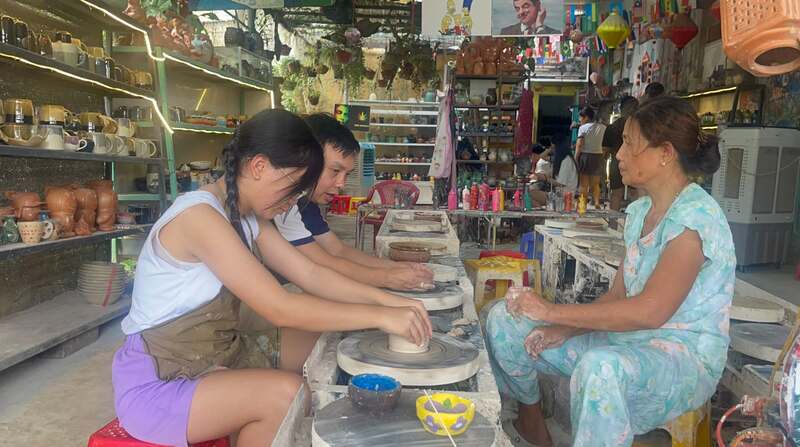
Visitors experiencing pottery making at Thanh Ha Pottery Village
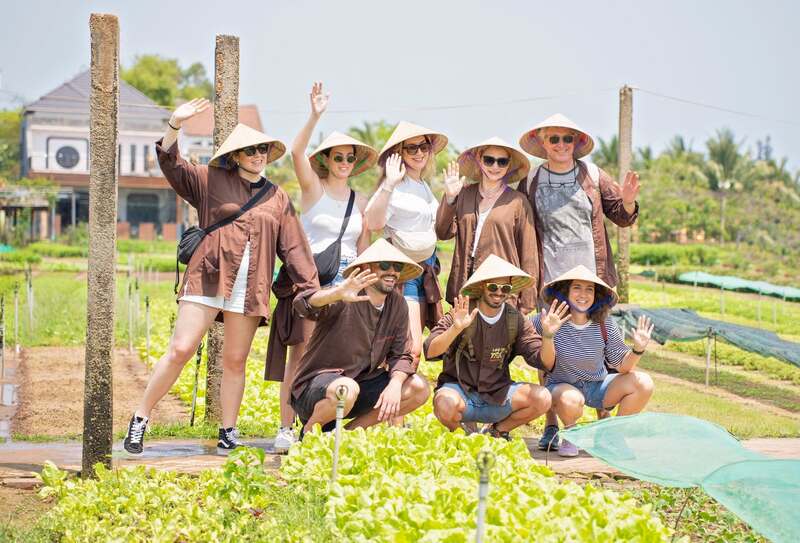
Visitors experiencing life as farmers at Tra Que Vegetable Village
The combination of long-standing heritage values and hands-on experiences (workshops) has helped traditional craft villages in Hoi An remain vibrant and relevant. These destinations offer both ideal stops for a relaxing getaway and meaningful opportunities to connect with local heritage, attracting visitors of all ages from Vietnam and around the world.
IV. Anmira Hoi An – A Restful Base for Your Heritage Journey
Every craft village preserves its own story of Hoi An's culture and people. After exploring these traditional values, Anmira Hoi An offers a peaceful place to pause and unwind amidst nature while providing a convenient base for continuing your journey through the ancient town and other renowned destinations across this heritage region.
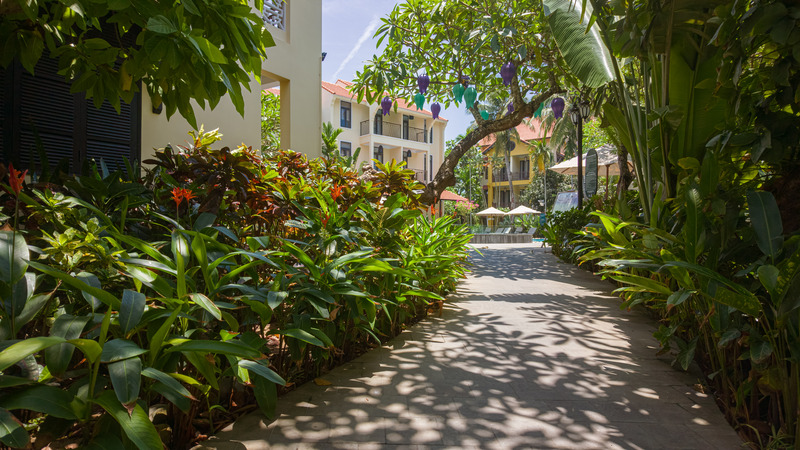
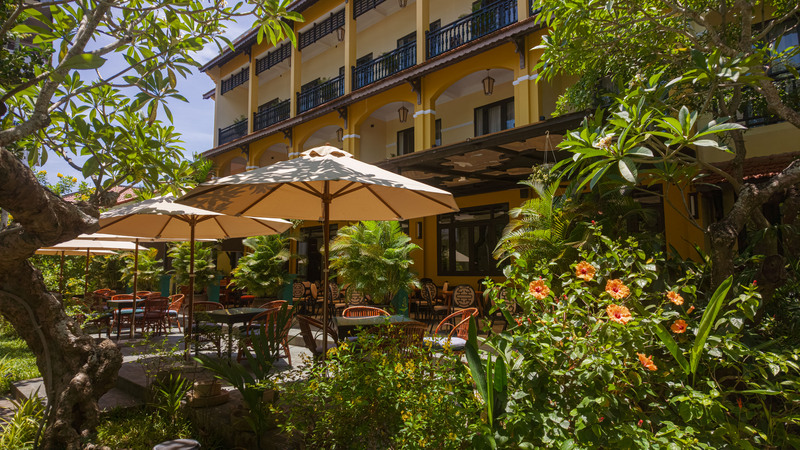
If you are planning a trip to Hoi An Ancient Town, make time to visit the Hoi An craft villages and discover the subtle beauty found in every handcrafted product and the stories of culture preserved across generations. Each destination offers a different perspective on this heritage land, turning your trip into more than a sightseeing journey and opening opportunities for a deeper connection with local cultural values.
From tree-lined paths leading into craft villages and the diligent hands of local artisans to the peaceful retreat at Anmira Hoi An, every experience contributes to a memorable journey. This is also the distinctive beauty of Hoi An – a place where heritage remains part of everyday life and continues to welcome every visitor with simplicity, sincerity, and tranquility.
Frequently Asked Questions About Visiting Hoi An Craft Villages (FAQ)
1. What types of visits can travelers choose when exploring Hoi An craft villages?
Each type of visit offers a different experience. With a self-guided itinerary, travelers can arrange their own schedule, choose their preferred means of transportation, and explore each destination at their own pace. Meanwhile, organized tours often include guides, prepared itineraries, and a variety of hands-on activities, making the journey more convenient.
2. What makes handcrafted products from Hoi An craft villages so popular with visitors?
Handcrafted products in Hoi An carry strong local cultural characteristics and are created with the skill and dedication of traditional artisans. From pottery and artistic woodwork to silk products and recycled wooden items, each creation reflects the beauty of traditional life and carries its own story. These products also provide visitors with a meaningful way to preserve memories of their journey through Hoi An.
3. What time of day is best for visiting the craft villages?
It is recommended to visit early in the morning (6:00 – 8:00 for Tra Que Vegetable Village) or during periods of softer sunlight (8:30 – 10:00 and 15:00 – 17:00 for the other craft villages) to avoid intense heat, make outdoor travel more comfortable, and enjoy the best natural lighting for photography.
4. Is it convenient to travel from Anmira Hoi An to the craft villages?
Very convenient. Anmira Hoi An is located in a central connecting position, and it takes only around 10–20 minutes (approximately 3–8 km) by motorbike, taxi, or car to reach Tra Que Vegetable Village, Thanh Ha Pottery Village, Kim Bong Carpentry Village, or Hoi An Silk Village.
--------------------
Contact Information
Anmira Hoi An – Village of Arts & Culture
Address: 276 Cua Dai Street, Da Nang City, Vietnam
Tel: +84 235 3923 999
Email: reservations@anmiraresort.com
Website: https://anmiraresort.com/